

9 Must-Have Features in Freelance Management Software in 2026
Contents
- Consolidated Invoicing With Multi-Currency Support
- Integrated Time Tracking That Turns Hours Into Invoices
- E-Signatures for Faster, Legally Binding Agreements
- Contract Management With Renewals, Deadlines, and Task-Level Controls
- Talent Reviews and Internal Notes
- Support for Multiple Rates
- Invoice Caps for Better Budget Control
- Freelancer Classification Tools
- Advanced Data Insights
- Why These Features Matter More Than Ever
- The Bottom Line
Freelance Management Software (FMS) has evolved dramatically over the past few years, and in 2026 it is no longer something businesses can treat as optional. With organizations relying more heavily than ever on global freelance talent, trying to manage payments, contracts, compliance, and performance manually is simply asking for trouble. Fragmented systems lead to errors, misclassifications, delayed payments, frustrated talent, and major operational inefficiencies. Even worse, the compliance risks and financial consequences of poor freelance management can be significant. This is why choosing the right Freelance Management System (FMS) matters. The best tools do more than reduce admin; they safeguard your business, support scalability, and elevate the entire freelancer experience.
1. Consolidated Invoicing With Multi-Currency Support
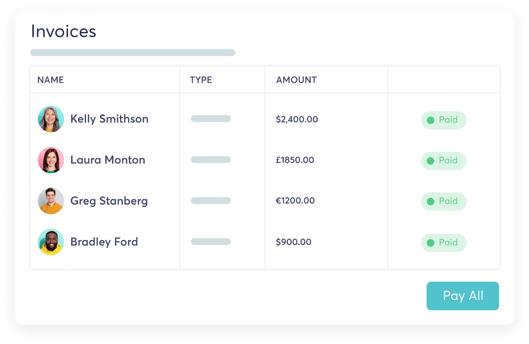
Managing invoices by hand, especially across multiple currencies, is one of the quickest paths to payment errors, tax issues, and unnecessary workloads. A modern Freelance Management Software (FMS) should gather all freelancer invoices into one monthly document, convert currencies automatically using accurate real-time exchange rates, capture country-specific tax requirements, and track payment progress for every vendor. This level of automation drastically reduces manual work, prevents duplicate payments, and gives finance teams some much-needed breathing room at month-end.
 2. Integrated Time Tracking That Turns Hours Into Invoices
Many freelancers work on hourly or daily rates, but without proper time tracking you are forced to rely on screenshots, spreadsheets, emails, or casual updates. All of these create opportunities for disputes. An effective Freelance Management Software (FMS) allows freelancers to log their time directly in the platform, link entries to specific tasks or deliverables, convert approved hours into invoices immediately, and store everything in audit-ready logs. This gives teams total visibility and helps finance process payments without unnecessary back-and-forth.
 3. E-Signatures for Faster, Legally Binding Agreements
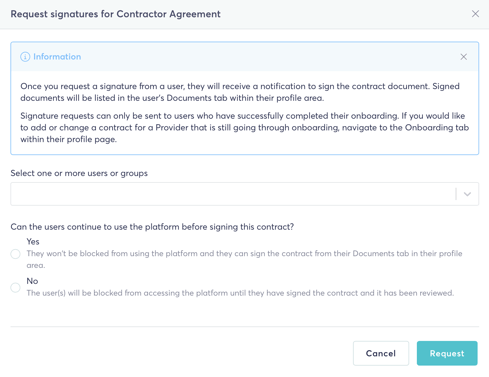
Paper contracts or email chains asking someone to print, sign, and scan documents are outdated and inefficient. In 2026, this type of workflow is nothing short of an operational nightmare. A quality Freelance Management Software (FMS) includes compliant built-in e-signature capabilities, supports multiple signatories, and automatically stores every agreement with timestamped audit trails. This strengthens your compliance posture and ensures freelancers can be onboarded quickly and smoothly.
 4. Contract Management With Renewals, Deadlines, and Task-Level Controls
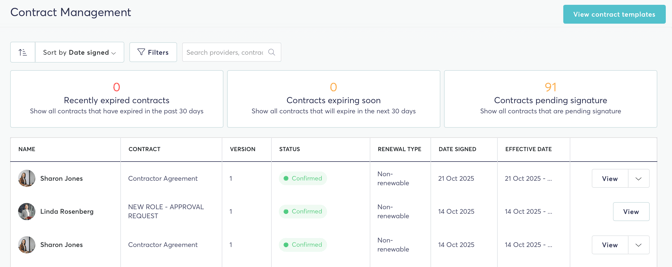
Contract management is often overlooked but absolutely essential. Missing a renewal date can mean someone is working under an expired agreement, which is a major compliance concern. A reliable Freelance Management Software (FMS) lets you track contract start and end dates, receive alerts before renewals are due, monitor contract value and scope, and manage changes at the task level. Task-level clarity helps ensure freelancers stay within the agreed scope, protects against misclassification risks, and prevents avoidable budget overruns. When everything is documented and traceable, operations stay efficient and risk remains low.
5. Talent Reviews and Internal Notes
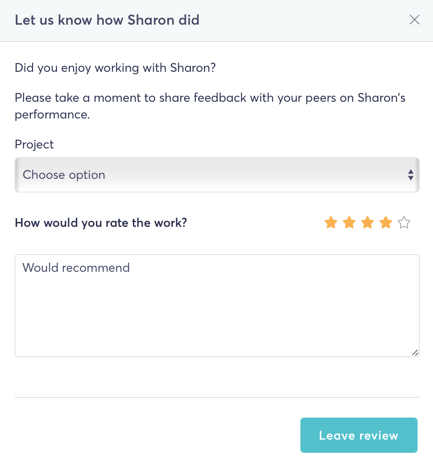
Not all feedback should be shared directly with freelancers, but teams still need a place to record performance, reliability, and quality of work. A strong FMS allows teams to keep internal notes, leave structured reviews, and control access to sensitive comments. This supports better rehiring decisions and preserves important knowledge even when team members move on.
 6. Support for Multiple Rates
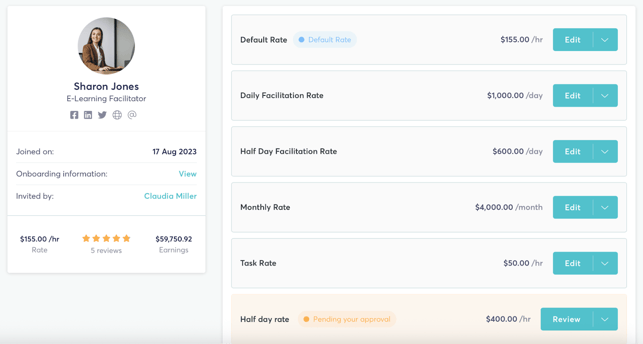
Freelancers rarely work at just one rate. They may charge one amount for deliverables, another for troubleshooting, a premium for urgent or weekend work, or different rates depending on their location. If your platform cannot easily support multiple rates, billing errors and manual corrections become inevitable. A modern Freelance Management Software (FMS) should make it simple to set and switch between rates so invoices stay accurate, transparent, and fair.
 7. Invoice Caps for Better Budget Control
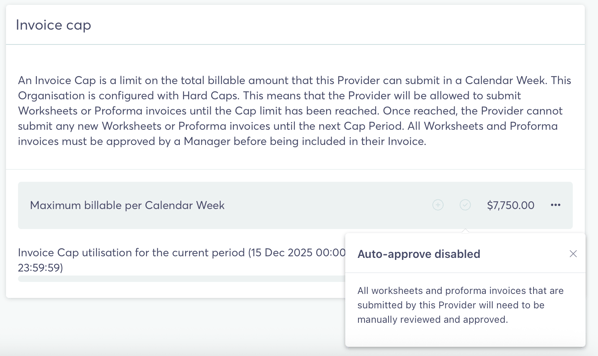
Projects can escalate quickly without clear financial guardrails. Invoice caps help prevent overspending, runaway hours, and unexpected charges. A smart Freelance Management Software (FMS) alerts both you and the freelancer when the cap is nearing its limit, giving you time to pause work, renegotiate, or adjust scope before the budget is exceeded. This keeps teams aligned and eliminates end-of-month surprises.
 8. Freelancer Classification Tools
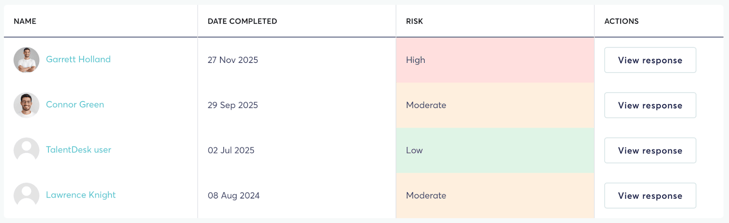
Misclassifying a freelancer as an employee or the reverse can be extremely costly. With classification laws tightening around the world, companies face potential fines, back-pay requirements, tax liabilities, legal action, and reputational damage when mistakes occur. Your Freelance Management Software (FMS) should offer automated classification assessments, location-specific risk scoring, recommendations on the correct engagement type, and documentation to support compliance decisions. As global hiring becomes more complex, this capability is essential.
Read more on how to avoid employee misclassification.
 9. Advanced Data Insights
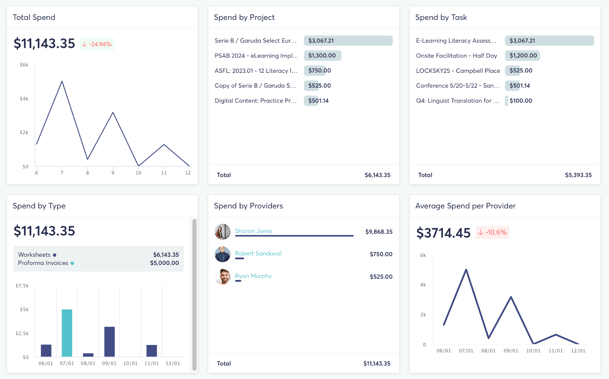
A powerful Freelance Management Software (FMS) does more than manage freelancers; it enables smarter decision-making. Look for analytics that highlight performance trends, spending patterns across teams or regions, compliance status, and forecasting insights for resource and budget planning. These insights also help identify bottlenecks in hiring, onboarding, approvals, or delivery. With the right data, freelance operations shift from being reactive to being strategically impactful.
Why These Features Matter More Than Ever
Organizations today face tighter regulations, smaller budgets, and growing dependence on external talent. Without the right system in place, visibility suffers, compliance risks increase, costs rise, operations slow down, and freelancers become frustrated. But with a modern FMS, every step of the freelancer lifecycle becomes more streamlined and predictable. You reduce admin, strengthen compliance, cut costs, and enable teams to collaborate more effectively with global talent.
Looking for options? Check out 10 Best Freelancer Management Software (FMS).
The Bottom Line
By 2026, businesses that fail to modernize their freelance operations will fall behind quickly. The right Freelance Management Software (FMS) is no longer optional; it serves as a compliance safeguard, a financial control center, and a powerful operational accelerator. These nine features form the foundation of a strong platform. Without them, organizations expose themselves to inefficiencies, risks, and missed opportunities.
TalentDesk brings all of these capabilities together in one system, offering complete visibility, control, and compliance across your freelance workforce. With consolidated invoicing, multi-currency support, integrated time tracking, automated contract management, rate flexibility, invoice caps, internal review tools, classification support, and real-time data insights, TalentDesk transforms freelance operations into a streamlined and audit-ready environment teams can trust and scale confidently.

Emma Reid
Emma has spent the past few years working in marketing and content creation, helping TalentDesk grow its brand through impactful website content, blogs, ads, and social media campaigns.
Speak to us to find out how we can help you reduce risks
Related articles
.png?width=650&height=167&name=image%20(8).png)
TalentDesk vs Remote: A Contractor Management Platform Comparison
TalentDesk vs Remote: a contractor management platform comparison covering compliance, payments, vendor visibility, and pricing.


TalentDesk Named Best Freelance Management System by SSR (2026)
TalentDesk has been recognised in the SSR report as a leading freelancer management system. See what earned us the recognition and what it means for our customers.


Freelancer & Contractor Glossary: Every Term You Need to Know
The complete glossary of freelancer and contractor terminology - from work arrangements and tax classifications to compliance and vendor management.


Best Ways to Manage an External Workforce
Learn how to manage your external workforce efficiently in 2026. Discover best practices for classification, compliance, visibility, and engagement.